Transgenesis means taking a gene (or genes) from one species and sticking it into another. Unlike another process known as cisgenesis, transgenesis involves adding genes from a species that is sexually incompatible with the organism in question. Transgenesis is like taking a gene from a pomegranate and adding it to a Granny Smith apple. In contrast, cisgenesis is like taking a gene from a Red Delicious apple and adding it to a Granny Smith apple. For transgenesis, the species doesn't even have to be a plant: you can take a gene from an animal or bacteria and add it to a crop/plant or viceversa.
What does this mean? To explain, I have to go to the beginning: the working units within any cell are proteins. Proteins are made up by linking together amino acids in a given sequence. The exact amino acid sequence is defined in the cell's DNA; the DNA blueprint for a specific protein is known as a gene for that protein. In general, one gene encodes for one protein (of course, there are exceptions). Since there are thousands of proteins, there are thousands of genes. We're still figuring out what different genes/proteins accomplish.
Spouse: I think that you've been surprised by the fact that I can't just "make up" a protein. I wish!!! No, biotech still isn't at the point where I can say "I'm going to invent a DNA sequence that's a blueprint for a protein that will make the plants absorb more water". That would be AWESOME. The best we can do right now is to look in nature at the plants/animals/bacteria that have the trait that we want, find out what protein accomplishes that task, and then use it in transgenesis. The reason why this is important in discussions about transgenesis is that the proteins that have been added to GMOs are already in nature.
In transgenic crops, they've taken one or more genes from different species and added them to the plant's DNA so that you have new genes/proteins in the plant. That brings us to the main point of this article: what are some of the more popular genes/proteins that have been added to commercial transgenic crops or GMOs.
Transgenic proteins currently used in US agriculture can be split into 3 broad categories: herbicide tolerance, insect resistance and disease resistance. Here are some of the traits used in each category (NOTE: this is not a full list. You can find all traits in this database):
Herbicide tolerance
- EPSP synthase. A wonderfully short abbreviation for the painfully long "5-enolpyruvylshikimate-3-phosphate (EPSP) synthase". EPSP synthase is a protein that naturally exists in bacteria, plants, and fungi. The protein is part of a system that makes several crucial amino acids in these organisms. The active ingredient in weed killers such as Round-Up is "glyphosate", a synthetic compound that blocks EPSP synthase. The plant can't make the amino acids that it needs to survive so it dies. In order to make plants resistant to glyphosate, the EPSP synthase enzyme from a bacteria was added to the plants. This bacterial enzyme does the same thing (ie. it synthesizes the amino acids) but it's just different enough that glyphosate doesn't block it.
It's important to note that EPSP synthase doesn't exist in mammals, which is why glyphosate has low toxicity. My previous post on glyphosate is here.
In the US, the transgenic crops cultivated with the EPSP synthase gene are: alfalfa, canola, cotton, corn, soy, and sugar beet. - AAD Enzyme. Another mercifully short abbreviation for "aryloxyalkanoate dioxygenase enzyme" and is from the bacterial species Sphingobium herbicidovorans. The protein breaks down 2,4-dichlorophenoxyacetic acid (2,4-D), a pesticide that's been used for many decades because it kills broadleaf weeds. 2,4-D mimics a natural plant hormone in these weeds, causing their leaves to grow uncontrollably, wither, and the plant eventually dies. The AAD-1 protein allows the plant to break down 2,4-D, so nothing happens to it (for a diagram of the biochemical reaction, please see here).
In the US, there's only one transgenic crop with the AAD-1 gene approved for cultivation: corn made by Dow Agro was just granted approval this year. However, there are several others in the works.
 |
| It seems odd that no one is demanding for labeling of GM cotton Image from Wikimedia commons |
- Bt trait/Cry protein. There are several proteins from the bacteria Bacillus thuringiensis (Bt) that have been used in various crops and they're known as Cry proteins. Apparently, there are over 200 different Cry proteins from the Bt bacteria and they're toxic to specific orders of insects and nematodes. The insects that Cry proteins target are not all the same, which is why different proteins are used. Additionally, since the protein is toxic to insects, you may also see it referred to as "Bt-toxin". This website from UCSD offers a really simple explanation on how the Bt-toxin works: the protein dissolves in the high pH environment in the insect's gut. Then, it binds to receptors in the bug's gut causing the wall in gut to dissolve, which eventually kills the insect.
Cry proteins are also used in organic farming (if you weren't aware that organic food production uses pesticides, please see bullet #2 here). The pesticide is considered to be benign to humans because the protein's mechanism of action doesn't work on mammals: our guts have a low pH and we don't have the receptors that the Cry protein binds to.
Bt-corn and Bt-cotton have been commercialized. There's exciting work being done with Bt-eggplant in Bangladesh.
Disease Resistance
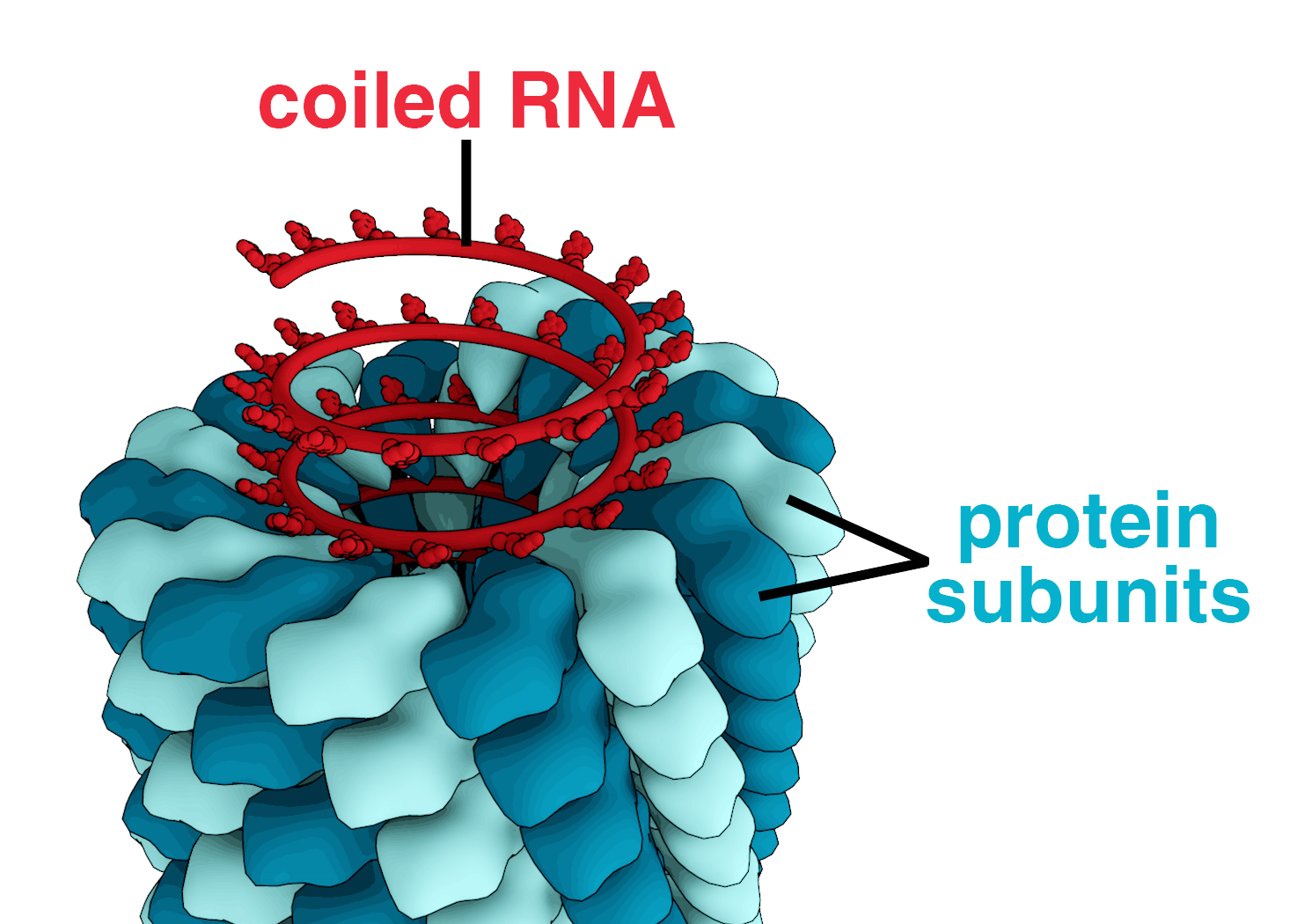
- Proteins from plant virus coats. In the United States, there are two commercial crops that have disease resistant traits: summer squash and papaya. Hawaii's Rainbow papaya is one of the great success stories of transgenesis: the papaya ringspot virus was threatening to wipe out this crop, which is a $17 million industry for Hawaiian farmers. In 1997, farmers started planting Rainbow papayas which have a protein from the virus itself. Likewise, transgenic summer squash carries proteins from several viruses which can harm this crop. I previously read up and shared my learning about how these proteins confer disease resistance to transgenic crops. Briefly, the transgene encodes for a protein from the virus (coat-protein) and this "blocks" the infection process from starting (interferes with the virus' disassembly). This is known as "coat-protein mediated resistance" or CP-MR.
 |
| We had a papaya tree in our backyard in Venezuela. I love the stuff, but the spouse can't even stand the smell. Image from Wikimedia Commons. |
You may have read arguments from GMO advocates stating that "we've been genetically modifying food for thousands of years. There's nothing different here." To a large extent, that's true. When you cross breed two compatible species, it's generally because there are specific qualities from species A and species B that you want to blend into a single species. For example, you may want to cross a rice strain that is naturally insect resistant with a second strain that grows very quickly. When you perform such a cross, you're blending all the genes from the two rice strains and then trying to find the hybrid that has all the traits that you're looking for.
Now, imagine instead that you know EXACTLY what gene/protein(s) caused the insect resistance in the first rice strain. Instead of crossing the two strains and blending together thousands of proteins, you specifically add this one protein to the second strain. How would you feel about that? My guess is that the vast majority of individuals would be OK with it. Now how would you feel if that gene/protein came from barley and you're adding it to rice? Again, I think many would be fine with it.
But what if it came from a bacteria?
I think that THIS is where the fear creeps in: the addition of a gene from a species that "doesn't belong". To be clear, I have no evidence to suggest this and have never polled anyone on this topic: it's just from conversations that I've had. And I think the reason why the majority of scientists don't have this fear is because we see things as proteins, and genes, and units, and no gene "belongs" to a species. We see genes/proteins as building blocks that came into existence in viruses and bacteria, and have changed, morphed, been copied, and erased throughout evolution. I work with enzymes (proteins) that have been mutated and morphed by companies so that they do what scientists need them to do in the lab. Back in grad-school, we added and removed genes in mice to figure out what they did in human disease. It was so common, that it had it's own term: "making a mouse". So the concept of adding a gene that we know a lot about into another species doesn't scare me nearly as much as it freaks out the spouse. In reviewing this piece, he agreed with my assessment adding that he views a species as a whole, whereas I view a species as bits and pieces that make a whole.
Feel free to comment below!