Showing posts with label soya. Show all posts

Saturday, January 24, 2015

Review of "Gamma-Glutamyl Transferase Activity in Kids Born from Goats Fed Genetically Modified Soybean"

My article debunking Collective-Evolution's viral article about "10 studies proving that GMOs can be harmful to human health" has been cross-posted to other sites. This week, the article led to this exchange:
I was curious to see if there were any papers that outlined a genuine health risk, so I followed up with @GMOTruths and was pointed to an open-access paper entitled "Gamma-Glutamyl Transferase Activity in Kids Born from Goats Fed Genetically Modified Soybean".

So, I'm going to review this 2013 paper here.

First, let's examine the quality of the journal that it was published in: Food and Nutrition Sciences. The journal is not indexed by the NIH's database of scientific publications, which immediately raises a red flag because it indicates that the journal does not meet the NIH's criteria for a quality publication. Next, I searched for the journal in Beall's list of predatory publications: sure enough, the publisher "Scientific Research Publishing" is listed. Predatory journals will publish nearly anything, as long as you pay their hefty publication fee. There have been several exposes on these journals (see here and here) and the crazy papers that they've accepted for publication (my favorite one: the journal accepted a paper entitled "Get Me Off Your F*ing Mailing list". I particularly enjoyed the diagrams from the paper).

So right off the bat, there's something fishy going on. Otherwise, the authors would have published their paper in a better journal.

Let's get to the paper itself.

The authors start by outlining and defining RoundUp Ready Soy (please see this post about the gene and trait in this crop). They state that "the majority of animal feeding trials using GM feeds indicated no clinical effects", but that there is data indicating liver and kidney problems. Their reference for this last statement is the infamous Seralini paper, which was retracted and later republished. They also point to a few other papers as the basis for their study:
  • a paper which "hypothesized that cell metabolism of several enzymes was altered in rabbits fed GM soybean"
  • a paper (from the same authors as above) that found pieces of DNA from the transgene in "goat milk but also the kids organs when mothers are fed GM soybean". The paper also found higher levels of an enzyme in these animals which serves as an indicator of injury and disease (LDH).
So, the aim of the paper is to find out if there are a) DNA fragments from the GM soybean and b) changes in the activity of an enzyme named gamma-glutamyltransferase (GGT) which can serve as an indicator of liver disease, in the kid goats whose mothers were fed RoundUp Ready soybean.

OK, here's my first comment: without even reading the paper, I can tell you that they're going to find DNA fragments from the soybean. As I've outlined in several other articles, DNA from all our food (be it organic, conventional, meat, veggies, etc) gets chopped up in our digestive system and then we find bit and pieces of it in our organs and blood. There are MANY papers that have discussed this so why is this paper going to sacrifice animals to investigate a matter that is already well established?

Regardless, let's continue.

Materials and methods. The authors state that they performed the experiment on 20 male kids born from goats fed a soybean extract from conventional or RoundUp Ready soy. After this point, nothing else really matters because the authors didn't do an analysis of the feed.

If you are going to do an experiment to determine if a single variable impacts a system (in this case, that the presence of the protein that confers RoundUp Ready resistance causes harm in goats), then you have to be pretty dang sure that nothing else is different. Previously, I've described several studies that outline that the location where the crop is grown and the environment create greater variability in a crop than whether or not the crop is transgenic. For example, if I take an ear of corn from Northern Ontario and compare it to an ear of corn from Southern Ontario (of the same variety), they will be more different in terms of nutrients/amino-acids/minerals than taking an ear of corn from Southern Ontario that's a GMO and comparing it to a non-GMO ear of corn of the same variety grown in Southern Ontario.

The paper that I'm reviewing here didn't do an analysis on the composition of the soybeans used in the study. It has no information on the variety of soybean used, the location where they were grown, or even if they were from the same season, etc. In general, feeding studies that I've examined do an analysis of the composition of the feed that is given and then make the feed equivalent by adding supplements, so that the ONLY different component in the feed is the presence/absence of the transgenic protein (and the gene that encodes for it).

Here's a hypothetical example: the scientists conducting a study buy regular soybeans and transgenic soy beans and do a nutritional analysis. They find that the regular soybeans have 12% less calcium and that the transgenic soybeans have 8% less of the amino acid lysine. Maybe it rained a bit more in the farm where the regular soybeans were grown, causing this difference. Maybe they added more fertilizer to the soil where the transgenic soybeans were grown, leading to these differences. Anyway, the researchers will add calcium to the feed that consists of regular soy and add lysine to the feed that consists of transgenic soy. Otherwise, they won't be able to conclude if any differences observed are due to the calcium, the lysine, or the transgenic protein.

So, that's where the paper falls apart.

As expected, the authors detected the presence of DNA from the transgene in organs and blood. Does it matter? Not really: if I took two people and fed one strawberries and the other blueberries, I'd detect small pieces of DNA from the cells of the strawberry in the blood of one person and small pieces of DNA from the cells of the blueberry in the blood of the other person. Does it mean that the individual will turn blue or red? No. So why would DNA from a transgenic crop be any different?

To conclude, the authors detected increased levels of GGT in several tissues, but without the compositional analysis, you can't draw any conclusions.

Final comment: I'm not a very strong animal advocate. I believe that they should be treated with care, but I'm not a vegetarian, let alone a vegan. I'm not a member of PETA. But I believe that scientists have a responsibility to perform animal studies judiciously. If it's not necessary, if there's another way to reach the same conclusion, then give it a shot before you resort to animals. I used animals in my PhD and I hated it. The mice I used were so cute and cuddly, that I'd have nightmares when I had to sacrifice them. I'm so glad I don't have to use model organisms anymore. Unfortunately, this experiment was not an example of the judicious use of animals.

@GMOtruths, I think your concern about this particular paper may be unfounded. What do you think?

UPDATE (Jan 16, 2016): the paper was retracted due to plagiarism. To read more about this, see: http://www.biofortified.org/2016/01/italian-research-group-subject-of-data-fabrication-probe/)

Tuesday, July 22, 2014

Review of "10 Scientific Studies Proving GMOs Can Be Harmful To Human Health"

As you may know, Mr Chubby-Cheeks is getting potty trained. What I never expected is how exhausting the whole ordeal is. If someone set up a service where you dropped your kid off and
picked him/her up a few days later fully potty-trained, they'd be gazillionaires.

Anti-GMO protest at BIO international conference 2014 in San Diego
Taken by a friend who attended.
Let's get down to business (no pun intended)... A story popped up in my Facebook feed that I have to take the time to address. It is entitled "10 Scientific Studies Proving GMOs Can Be Harmful To Human Health". Really caught my eye. It's actually a pretty good at bringing together the top health concerns that the anti-GMO movement has about the technology. I've reviewed most of them, so there will be a lot of links here to previous reviews and to the studies themselves. I'll go in the exact order as the article.

1) Multiple Toxins From GMOs Detected In Maternal and Fetal Blood.
I first reviewed this paper last year. The authors identified Bt protein Cry1Ab in maternal and fetal blood. This protein is found in some GMOs, but is also commonly used as a pesticide in organic farming. The biggest issue I had with the paper was the "so what" factor. We lack the receptors for the protein, so it has no impact on us. Did you know that chocolate is toxic to dogs? Are you concerned that it might be toxic to you? Probably not (if you are concerned, then you've missed out on the greatest source of joy known to human taste buds...) Some chemical compounds behave differently between species, and both Bt's Cry1Ab and chocolate are examples of this.

Since my original review last year, I've learned that the paper is deeply flawed due to the fact that the researchers' measurements were based on an experiment/assay that was designed to detect Bt in plants, not in humans. This post in Biofortified.org eloquently outlines that the pregnant women in the study would have had to eat several kilos of corn in order to get the Bt measurements that were detected in their blood.

2) DNA From Genetically Modified Crops Can Be Transferred Into Humans Who Eat Them
Ummmm... No. That's not the paper's findings. I reviewed this one fairly recently. The paper found that whole genes from our food can be detected in our plasma. That does not mean that it's been integrated into our DNA: it means that it's been found floating in the space between cells. And that's any food, not just GMOs. I also outlined how the paper's findings are most likely due to contamination, since they did not include a negative control. However, even if the findings are accurate, DNA from GMOs behave no differently than DNA from organic or conventional foods. If you aren't concerned about the DNA from blueberries "transferring" into you, then you should not be concerned about DNA from GMOs either.

3) New Study Links GMOs To Gluten Disorders That Affect 18 Million Americans
The article states that this was a study from the Institute for Responsible Technology (IRT). There is no such study. There's a post on a webpage, but there isn't a peer reviewed article. I wrote about gluten allergies and GMOs last year, and it's a case of association with no causation (i.e the incidence of gluten allergies have increased over the past decade and the amount of GMOs we eat have increased too. But, so have the number of plasma screens manufactured). Additionally, GMO wheat has not been commercialized. The Celiac Disease foundation has spoken out against the IRT's report (Note that the IRT is an NGO which advocates for the elimination of GMOs from our food supply. It's not a university, college, or research institution). Recent studies have shed doubt on the existence of non-Celiac gluten sensitivity. So this "study" is blaming GMOs for something that may not even exist.

4) Study Links Genetically Modified Corn to Rat Tumors
This is the infamous Seralini paper, which was retracted, and recently republished in a different journal. This was the very first paper I reviewed, and frankly, I'm surprised it was ever published (which explains the retraction). The paper identified tumors in rats who were fed GMOs long-term, but the strain of rat used was predisposed to tumors. The paper did not perform statistical analyses and used too few rats, so it was not possible to determine if the tumors were due to the food or were due to the fact that the rats would get tumors regardless of what they were fed. A recent, fantastic re-analysis of their data suggests that their findings are due to chance. Finally, the findings from Seralini's paper are contrary to other long-term feeding studies (you can find a journal review here and a BioChica review here).

5) Glyphosate Induces Human Breast Cancer Cells Growth via Estrogen Receptors
This paper was interesting and here's the breakdown: as this Wikipedia article highlights, approximately 80% of breast cancer cases are hormone sensitive, meaning that they need estrogen in order to proliferate and spread. In this paper, they took 2 breast cancer cell lines: one was estrogen sensitive and one was not, and they examined the impact of increasing amounts of glyphosate on cell growth. They found that glyphosate has similar impact to breast cancer growth as estrogen, although not as strong, and did not have an impact on the proliferation of the non-hormone sensitive breast cancer cell line.

They did a series of experiments which suggest that this growth is mediated through estrogen receptors (suggesting that glyphosate is probably mimicking estrogen). I thought that it was an OK paper. The #1 issue I had with it were the dose-dependent effects. At high concentrations of glyphosate, the cell growth starts to dip back down to the level seen in controls. Here's the issue: often times, there's a saturation point when you're looking at dosage effects of a compound, meaning that at a certain point you won't get an effect no matter how much more of that compound you add. But based on my understanding, you shouldn't really get a decrease in the curve; it should just level out. Like the top two graphs:
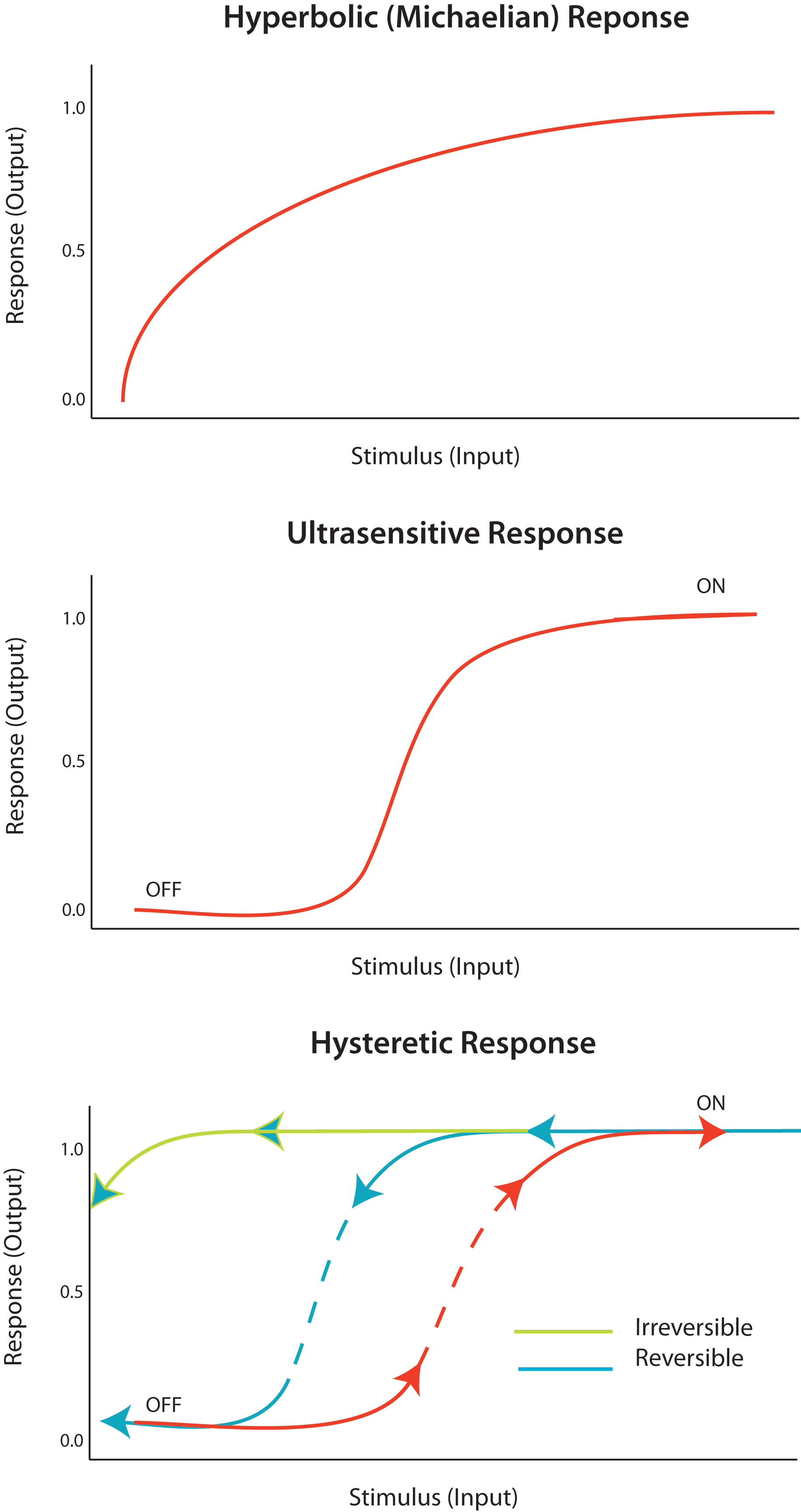
From Wikimedia Commons
However, they saw a dip in cellular proliferation at higher concentrations (it was more bell shaped). Their measurements were made based on a comparison to controls, but the data for the controls wasn't provided, so I'm not sure if perhaps the controls were behaving wonky or if there's actually a "protective" effect once glyphosate concentrations reach a certain point. Given the nature of the experiments they were performing, I'm surprised this was omitted. The second issue I have is that their negative controls don't have error bars, despite the fact that they had 3 replicates. My understanding of the statistical test they performed is that the standard error for the negative control is pretty dang important, but it isn't shown in any of their analyses.

In the past, I've highlighted the many issues that surround the use of in vitro assays. The authors of the paper highlight some of these issues, along with the fact that their data doesn't mesh with previous studies that have examined the impact of glyphosate on cell proliferation (this paper that suggests that glyphosate protects against cell proliferation in vitro in 8 different cancer cell lines and even states that it be developed into an anti-cancer drug...). They suggest that it may be due to a) the specific cell-line they used, b) their use of raw glyphosate (i.e. not a formulation, such as Round-Up) and c) the concentrations of glyphosate used.

Monsanto wrote a response to the paper stating that there are many studies that have examined the carcinogenicity of glyphosate and have found that the compound does not cause cancer. Many articles took this study to mean that glyphosate causes cancer when that is not the study's findings: their findings suggest that glyphosate may cause breast cancer to proliferate. Monsanto points out that this finding is contrary to the body of evidence that exists on the topic. As I previously mentioned, the authors admit to this fact and discuss that the next step should be to examine this issue in mice/rats models for breast cancer. I think that that's a great next step. I'd also look at this in a few more breast-cancer cell lines.

So, am I concerned about GMOs based on this paper? I think that this is probably the most compelling research paper that I've read about a potential health risk surrounding glyphosate, but my conclusion is that the study must be reproduced and its issues ironed out. The paper isn't really about GMOs: keep in mind that not all GMOs are glyphosate resistant (i.e. Round-up Ready) and the use of glyphosate is not limited to GMOs (I've said it before and I'll say it again: lumping crops into bins based on the method used to generate them does not make sense). Even a labeling law wouldn't help with that. Additionally, the paper does several experiments with a compound in soybeans that is known to be estrogen-like, and glyphosate's impact is very similar. Meaning that there are "natural" compounds in our food that seem to have the same impact on breast-cancer proliferation that this paper's findings suggest for glyphosate. In learning about this topic, I found quite a few publications that have examined soy food intake in patients with breast cancer (examples herehere, and here) and I couldn't find a study that had found a positive correlation. So more research is needed.

6) Glyphosate Linked To Birth Defects
Ummmmm... No. This is not a peer reviewed, published scientific study which the post claims. This is a publication by Earth Open Source, whose bias I have highlighted here.

7) Study Links Glyphosate To Autism, Parkinson’s and Alzheimer’s
The paper, doesn't constitute research. It's a hypothesis. I tried reading it several times and it didn't make sense. But I felt a lot better when I learned that I wasn't the only one who scratched my head at it: it was reviewed by Keith Kloor over at Discover Magazine who reported an apt comparison between the article and one of Glenn Beck's chalkboard drawings.

So how did it get published? The paper is printed in a pay-for-play journal (also known as predatory journal), meaning that for a fee, you can get nearly anything published. Spouse, I can hear you now... "What do you mean?? Isn't that against research?" Yes. It is. It sucks. There have been several exposés on pay-for-play journals, and many (including myself) believe that it's eroding the quality of science (here's an overview from Nature.com). In this exposé, the journalist cut-and-pasted two articles together: one was a geology paper and the other was a medical paper. For added effect, he added graphs about Mars and the footnotes were about wine chemistry. Yet the paper was accepted in several journals.

Spouse, I know your next question is "then why aren't you submitting tons of articles??". Well, there's the ethics thing, but it costs about $1800 to publish in these crummy journals. Hence the "pay-for-play" label. The important point is that it is often difficult for individuals to determine if the research is any good, unless they're an expert in the field. And, as outlined in the link to Discover Magazine, experts in the field have stated that this particular study is junk.

8) Chronically Ill Humans Have Higher Glyphosate Levels Than Healthy Humans
This paper is published in the Journal of Environmental and Analytical Toxicology, owned by the Omics publishing group. This publisher tops the list of predatory journals, and there's even a Wikipedia entry about the quality of their journals.

Notwithstanding, I read the paper and now my brain hurts from how painful it was to read. They examined glyphosate levels in humans and different animals. There's no indication of what was fed, how much was fed, how the animals were kept, or a million different variables for which there is no information. Any of these should invalidate the study. Their information about humans is even worse. It doesn't say anything about age, sex, weight, height, genetic background, how much food they ate, if they washed their food, how long they had been eating organic/conventional diets and, most mind-blowing of all, there's absolutely no definition for "chronically ill". I really don't know how you can draw any sort of conclusion from this study. Any single issue that I've listed here would be considered a fatal flaw that would exclude the paper from publication in a more prestigious journal, let alone having all of them combined in one hot mess.

9) Studies Link GMO Animal Feed to Severe Stomach Inflammation and Enlarged Uteri in Pigs
I read this study a while ago, but never wrote anything about it. The findings of the paper are pretty much in the title: they gave pigs GMO feed and non-GMO feed and identified differences between the two groups. I never wrote about it because to this day, the paper still isn't in PubMed, which is the NIH's database for scientific publications. It was because of this paper that I learned that PubMed doesn't index journals of low caliber or newly established journals. I felt like the NIH was weeding out the worst of the worst for me.

However, the paper has been thoroughly criticized by many.  Here's a brief list of a few of the issues:
  • This post, by Mark Lynas, highlights the degree to which the data is cherry-picked. The difference in "inflammation" between the GM-fed and non-GM-fed pigs is apparent only when you break down the degree of inflammation into subcategories, but there's no difference if you view it as a single category. Overall, there's a high rate of inflammation for both groups, which is not explained in the paper. At the same time, there are several parameters where GM-feed could be argued as having a protective effect (there's 50% fewer heart-abnormalities in pigs fed GM-grain), but this isn't discussed.  
  • As explained by Dr Anastasia Bodnar, the authors do not analyze the compositional differences in the feed between the two groups. Previous studies have determined that the environment (i.e., water, soil, geography) of a crop has a greater impact on proteins and metabolites than whether or not the crop is a GMO [my review of the topic is here]. As such, the differences seen in the pigs may not be due pesticides or presence/absence of the transgenic protein, rather, they may be due to differences in composition of the feed.
  • The study is a fishing expedition. Meaning that they're looking for something, no matter what it may be. As outlined by Dr David Tribe, if you take 2 groups of things and measure ~20 parameters, one of them is bound to be different. The authors do not perform the proper statistics nor do they examine the relevance of the findings. Does it matter that certain variables are different between the groups? Why are they different?  
  • This interview with Val Giddings highlights that the animals had abnormally high rates of pneumonia, which points to the possibility that something wonky was going on.
In conclusion, even if the paper's findings are real, there's no knowing whether it was due to something associated with the transgene or not, because they didn't account for natural variation in the feed.

10) GMO risk assessment is based on very little scientific evidence in the sense that the testing methods recommended are not adequate to ensure safety.
There are three papers associated with this bullet point. The first is a review and I agree with a few of the points it makes. It highlights the need for standardized tests and statistics in animal feeding studies for GMOs, and anyone who followed the Seralini debacle would probably agree. It summarizes papers that have performed feeding studies and their results. The biggest issue I have with the paper is that it doesn't remove flawed papers from their review list and it also doesn't distinguish between feeding studies for GMO crops that have been commercialized vs crops that have never been submitted for regulatory approval. However, the paper does not conclude that "GMO risk assessment is based on very little scientific evidence". The second paper is also a review/opinion, and the first author is affiliated with "Friends of the Earth". Skip! (Spouse, to clarify, the reason I'm skipping is a) it's not novel research, it's a review with an editorial slant and b) it's like reading an editorial by Syngenta advocating for looser regulation on GMOs. Of course that's what they'd advocate for! You don't even need to read it to know what they'll say). The third paper, is not even a review. It's an opinion/commentary published in 2002 in Nature Biotechnology (a high caliber journal). It outlines possible unintended consequences that could happen with a GMO, none of which have ever been documented/identified to the best of my knowledge.

My conclusion: none of these studies prove anything about GMOs. At best, they might suggest something and follow-up is needed. But, many are duds. Actually, to bring this article full-circle, a few are turds. Get it? Because of potty-training? Hilarious, right???

Monday, February 10, 2014

Whether or not Round-Up Kills

This post is going to look into the topic of Round-Up.

You may have seen bottles of Round-Up at Home Depot and other retail stores. It's a weed and grass killer that many people use to get rid of weeds/grass on driveways, pathways or flower beds. The active ingredient in the herbicide is glyphosate.

So how does glyphosate kill weeds and other plants (source is here)? It basically interferes with a biochemical pathway which plants need in order to make 3 crucial amino acids (in case you were curious, the name of the pathway is the shikimate pathway). It messes up one of the enzymes needed in the pathway, the amino acids never get made, and the plant dies. The enzyme that gets inhibited by glyphosate is called 5-enolpyruvylshikimate-3-phosphate synthase, but it's been wisely abbreviated as EPSP (phew!). I could only find evidence that this enzyme exists in plants, fungi, and microbes. So it does not seem to be present in animals.

There is a bacteria whose EPSP enzyme is not affected by glyphosate. The EPSP synthase gene from that bacteria has been inserted into specific crops, thereby creating glyphosate resistant crops. As a consequence, growers can spray their fields with glyphosate/Round-Up. Most plants/weeds will die because the EPSP synthase enzyme will be inhibited. But the transgenic crop will continue to grow because it has the bacterial version of EPSP synthase, whose activity is unaffected by glyphosate.

Round-up Resistant crops have been growing long enough that Monsanto's patent on Round-up has expired (note that the patent on the GMO seeds has not expired, so I think that growers who use Monsanto Round-up Resistant crops have to use Monsanto's Round-up). (I've been corrected on that last comment. Growers who use Monsanto seeds to not have to use Monsanto's Round-Up).

This week I received requests from two people to review papers that look at glyphosate causing cell death. The most recent paper published on the topic came out last month in the International Journal of Toxicology (as a side-note, it took me forever to get a copy of this paper. We scientists should be more vocal in our demands for open-access journals). Due to this paper, there has been a flurry of articles/blogs highlighting the dangers of GMOs. So what did they do in the paper? Basically, they took liver cell lines and grew them under different conditions. As treatments, they used diluted Round-Up, as well as several components of Round-Up. Then they examined cell death both directly, as well as biochemically (they looked for the presence/absence of proteins associated with cell death). To summarize their results, the cells treated with Round-Up died.

Similar studies had been performed by other groups. A study published in 2009 (which I do not have access to and could only read the abstract) reported similar findings. What was unique about the more recent paper is that they used less Round-Up for their study.

I bet you're wondering if I will stop feeding my family Round-Up Resistant GMOs over this. There are several thoughts going through my head over this.

1) How much glyphosate are you really eating? When I first read these papers, my gut reaction was "hmmm... I should do a better job washing my fruits and veggies". But then it hit me: none of my fruits and veggies are glyphosate-resistant GMOs. Round-Up Ready seeds are cash crops: canola, corn, cotton, etc. Our bananas, apples, delicious peaches, and succulent pomegranates are not GMOs (although I've previously argued for a GMO pomegranate... I'd buy that sucker in a heartbeat). By the time any components from glyphosate-resistant GMOs enter my food, they've been washed, stripped, boiled, pressed and reduced to a compound. So how much glyphosate is actually there? I tried to do a web search to find out how much glyphosate is in processed food, and I had a tough time with that search. Thanks to twitter, it was suggested that I review a report put together by the USDA's Agricultural Marketing Service (thank you @geneticmaize!). This annual report examines the amount of pesticide in our food and water, including items such as baby food. For the analysis, all items are prepared in the way we normally eat them; for example, tangerines are peeled, bell peppers are gently washed under cold water, etc. They examine both imported and national produce, and one of the items they examined in their 2011 report (released in 2013) was the amount of glyphosate in soybean. The results state: "Of the 300 samples tested, 271 (90.3 percent) of samples contained glyphosate at levels ranging from 0.26 parts per million (ppm) to 18.5 ppm." The tolerance of glyphosate is set at 20 ppm, so none of the samples tested exceeded the maximum allowable levels. So we're not eating any more than we should in our food supply. However, one may argue that perhaps the "amount we should be eating" is not set correctly, which is what the papers I originally cited above will argue.  That brings us to point #2.

2) In vivo and in vitro studies are vastly different. Spouse: I know you just read that and said "what??" In vitro means tissue culture or lab work. In vivo means live rats, mice, or other model organisms. So what does my statement mean? Here's an example: we use Windex every once in a while (no where near as much as we should, according to My Big Fat Greek Wedding). You probably don't think twice about it. Now, would you ever consider spraying it directly in your eye? Would you consider spraying it on an open wound, even if you water it down? If you were to design an experiment to test the toxicity of Windex, which one is more accurate: to spray Windex, use it as instructed, and measure what it does to you over a period of time? Or would you spray it on an open wound in diluted form and measure what it does over a period of time? You could argue that you should do both. However, scenario #2 is not what happens in the real world.  In vitro studies (which are tissue cultures in the lab), are basically cells out in the open. It's difficult to work with them and I'm sure you heard me whine and complain about my cells "dying" when I was back in grad school. They're finicky and they die when you don't shower them with loving care. They're excellent models for many things. But I'm not sure if they're a good model for measuring toxicity, because it's like spraying something directly onto an open wound, but with the effect amplified x1000. Which is why toxicity for EVERY COMPOUND I USE IN THE LAB is measured with in vivo models (that means rats and mice). Check out the Material Safety Data Sheet for water: they tested it on rats. If we are to begin measuring the toxicity of compounds using in vitro assays, then we have to go back and do this for everything we use and eat in our daily lives. I am willing to bet a trip for two to Morocco (which is the next place on my list of places to visit... hint, hint Spouse), that the majority of the compounds we use in our daily lives will kill cells in vitro.

Even the use of in vivo studies can be argued as being too rigorous. I remember that one of the post-docs that did my training would seldom wear gloves in the lab, even when working with Ethidium Bromide, which is a known carcinogen. When I asked him what the hell he was doing, he said that to replicate the rat studies which demonstrate the carcinogenic behaviour of Ethidium Bromide in humans, you'd have to take a syringe-full of the compound and inject it directly into your bloodstream. Of course, I use gloves and goggles when working with that crap because I believe that safety recommendations are put in place for a reason, but I thought that it was an interesting argument (although I don't agree with it). Which brings me to point #3.

3) No one ever said glyphosate was good for you. Dude, it's an herbicide. People have committed suicide by drinking it. As such, you have to wear protective gear and use it carefully, as outlined in the instructions for use and the Material Safety Data Sheet. Check out all the warning messages and icons on the instructions for use (yeah... they're in Spanish, but I'm testing to see if icons are universal :) ). So am I surprised that in vitro cells will die with glyphosate? Hellz to the no. But, that brings us to an important point: these studies may highlight the fact that it's important to review maximum limits of exposure for workers who work with these chemicals and that employees should be properly trained. This 2013 story from the Associated Press highlights what can happen when glyphosate is improperly used and when proper safety standards are not in place (although it's been spun by many to be about the evils of Monsanto and glyphosate). But that also brings me to my final point.

4) Is it safer than the alternative? If you believe that there's a lot of glyphosate residue in processed food and that glyphosate in our food supply will harm you, but that it's being covered up Monsanto, then the alternative is to eat certified organic foods. Keep in mind that if you believe that story, then you have to believe that this is a massive cover-up involving hundreds of scientists who want to kill you (in which case, you've uncovered the Oath of all Scientists). Then the question becomes: is it any better? A very common misconception is that organic food crops do not use pesticide/herbicide. They do. I think that the only way to make sure that absolutely no pesticide/herbicide is used is to grow your own food, but it would be incredibly naive to believe that everyone could grow their own foods. The full list of substances that are allowed under US Organic Certification is listed here. For example, if you scan through the list you'll see that hydrogen peroxide is an allowable substance for plant disease control. Here's the MSDS sheet for hydrogen peroxide. If you've ever had it applied to a wound as a disinfectant, I probably don't need to tell you that if you dilute it and put it on cells in tissue culture, they'll probably die.

So, what's my conclusion? I don't think there's enough evidence that sufficient glyphosate is in our food supply to merit any alarm or that there's enough glyphosate in our food supply to be toxic to us. I think that the revision for limits of exposure of chemicals is a good idea if there's any new data suggesting that it should be re-examined. I don't think that the papers on cells dying in tissue culture are enough evidence to merit this re-examination. I think that glyphosate is a chemical that is dangerous at certain limits, but I also don't think that glyphosate should be treated any differently than any other chemical and compound that we're exposed to. I'm of the opinion that there's no global conspiracy to poison us: that scientists are out there doing their job just like you and me. As a consequence, I believe that Material Safety Data Sheets and EPA guidelines are drafted and implemented with a body of data that has been gathered after proper testing. Otherwise, I'm truly SOL given the stuff I work with in the lab all day.

3/23/2015: The International Agency for Research on Cancer recently updated their categorization for glyphosate based on existing research, suggesting that it's a possible carcinogen (group 2A classification). I have to read the papers that they reviewed to determine exactly what studies placed the compound in this category. However, it's important to note that their categorization was extremely specific: risk for non-Hodgkin lymphoma in agricultural exposure, and evidence in animal models, so it meshes with what I've already written above. I'll write up a new post after I've reviewed the papers.

Saturday, September 7, 2013

GMOs and Reproductive Problems

This week, I resume the task of reviewing the health impact of GMOs, as outlined on the Institute for Responsible Technology's webpage. As a reminder, I have yet to find a single item that is a true health concern from their page, yet it remains one of the most highly cited anti-GMO pages. So, I must march-on!!

This week, I'm going to tackle the section entitled "GMOs, reproductive problems, and infant mortality". We'll go through these statement by statement.
  • More than half the babies of mother rats fed GM soy died within three weeks. This statement is attached to three references. The first is from a talk or abstract at a conference, the second is from a news article in a Russian paper, and the third is a reference to preliminary (i.e unpublished) studies. As outlined in my explanation on types of references, none of these are vetted, peer reviewed sources of information. All three are from the same author, I.V Ermakova, so I decided to check pubmed to see her publications. There are 33 publications by the author and only one was about GMOs. The publication in question was a letter published in Nature Biotechnology (note that it was not a scientific paper). And then I started reading it... Holy GM controversies, Batman!! So here's the TMZ scoop: in 2007, Nature Biotechnology interviewed Dr Ermakova. She had reported that feeding Round-up Ready GM soy beans to rats leads to pups with low survival rates or stunted growth. The report had been widely circulated in the press, leading to calls for independent studies of GM crops. However, two years later (in 2007), Dr Ermakova's study had not been published (and based on my pubmed search, it still isn't published). So Nature Biotechnology (a very high impact journal) decided to do an interview with Dr Ermakova to ask for a detailed account of her work. And then they brought in experts to review the information that she provided, who proceeded to point out all the flaws including:
    • The feed that she used didn't exist. Literally. The author claims that she purchased the soybeans from a company in the Netherlands, but that company had never sold the type of materials she used in her study.
    • The study didn't meet the standard norms for number of animals
    • The author claimed that over one-third of surviving pups born to mothers who were eating GM soy had stunted size and low birth weight. Additionally, she claimed that males have high levels of anxiety and aggression. As if that weren't bad enough, mice who were fed GM soy failed to breed to a second generation. No evidence or data was presented, and Dr Ermakova's description of issues/results do not match with previous reports in the literature which have looked at GM soy beans (last week's blog looked at multi-generational effects of GMOs, if you're interested).
    • The author claimed that 50% of pups died by the end of the 3rd week when fed GM soy, versus 8% in the controls (they actually shared the numbers for mortality). The panel of experts point out that 99.5% of the control rats should survive for the strain being used; since only 92% are surviving, probably something wonky was going on and quite possibly, they just weren't taking good care of their mice. Additionally, no post-mortem examination was performed and no cause of death is given. They state that a 50% pup mortality rate defies credibility and such a strong lethal effect would have never escaped researchers or agricultural agencies (I completely agree!! 50% mortality rate???)
    • The author claimed that 33% of the pups from rats fed GM soy had smaller sizes and lower weights than the controls. The critics point out that more than 90% of the control rats were more than 20% below normal weight, suggesting that they were malnourished or subject to poor environmental conditions.
    • The author concludes that Round-up Ready Soy has a negative influence on the strain of rat used, as well as their offspring, causing high mortality, infertility, decreased weight gain, change in behaviour, and changes in internal organs. The critics conclude that no meaningful conclusions can be drawn because there were so many flaws in the study.
  • One of the more intriguing sections of the interview was when Dr Ermakova was asked why she hadn't yet published her findings. She explained that she had presented her data at several conferences, where she had appealed to scientists to repeat her experiment, which drew the attention of a journalist, and things took off from there.  However, she explained that she was in the process of submitting her finding for publication. The critics rightly point out that if "she had questions about her own results, as she says she did, she should not have devoted so much time to publicizing what are demonstrably flawed studies". Ouch.
  • You'd think that the saga would have ended there. But... no! Dr Ermakova wrote back to Nature Biotechnology to try to polish the turd. That letter is the one article by Dr Ermakova that I was able to find in pubmed on the topic of GMOs. Dr Ermakova basically blamed Nature Biotechnology for misrepresenting her work, for not giving her the chance to defend her responses prior to publishing, and questions why the journal would not publish her paper yet would publish such a long interview and she suggests that perhaps this is due to the "reluctance of the predominantly industry-funded agbiotech community to condone the publication of studies that detail negative effects of GMOs". The letter also includes corrections by Dr Ermakova (such as details on how the rats were raised, etc).
  • The fact remains that 6 years later the study has not been published and has not been reproduced. That says more than a dozen interviews or letters ever could regarding the quality of the study.
There's no doubt that Dr Ermakova felt insulted by what she considered to be mistreatment by the journal. And I can't help but sympethize for her, because some of the comments made by the critics were personal. At one point, the critics actually point out that maybe all the mistakes made were because of the fact that Dr Ermakova didn't have proper training in performing a reproductive toxicological animal study. That's a pretty personal diss. But I don't think that the journal did anything wrong here: the study was making so much ruckus in the news that the editors probably felt compelled to step in to figure out what was going on; yet, at the same time, the study wasn't good enough to publish. So what other options could there have been?

Well, I was going to go through the rest of the reproductive risks, but I think I'll resume next week.

In summary, Dr Ermakova's findings which are plastered all over the interwebs have never been published, most likely due to the quality of the study. Since my legilimency skills are not strong enough to sneak into her mind and see what the study entailed, I must discard references to her "findings".

Sunday, September 1, 2013

Long-term health impact of GMOs

From Occupy-Monsanto.com
One of the more common arguments against GMOs is the lack of data or studies performed. As was eloquently stated in this viral interview from the CBC, "we're the guinea pigs" in the GMO experiment, particularly when it comes to the long-term health impact of GMOs.

I've actually been really surprised at the number of papers there are in pubmed when I've look up references and sources. The GENERA project looks at peer-reviewed studies to assess the risk of GMOs and  their database has 600 papers, 1/3 of which are independently funded. A quick pubmed search revealed that there are over 130 papers on MON810 (that's Monsanto's Bt corn); of course, not all of them were about health: a large number of papers were environmental studies, looking at the impact to soil, bugs, etc, and a fair number were methods papers describing ways to identify the GMO based on DNA or protein.

In trying to learn about the long-term health impact of GMOs, I didn't know where to start, so I decided to read a 2012 literature review that examined long-term and multigenerational impact of GMOs to health. If you have access to the paper, I suggest you take a look. The review has a helpful table, where each study is listed together with the source of funding, # of animals in the study, parameters that were examined, conclusions, and criticisms, among many other things. The long term studies, defined as any study greater than 96 days, ranged from 26 weeks to 104 weeks, used various model organisms (including cows) and the authors examined 12 of them. Some studies did not meet international standards (ironically, two of these were reviewed last week where I stated that they were indeed horrible papers). The most common criticism for several of these studies is that they didn't use isogenic lines as controls. An isogenic plant is the genetic equivalent to the GM variety, but without the GM trait. Why is this important? Well, take the corn that popcorn kernels are derived from vs the sweet delicious corn that you eat with butter in the middle of summer. As learned in my "Plants as Human Resources" course in my sophomore year, the two have different amounts of starch and sugar. So if you were to make a GM-variety out of the sweet corn, but use popcorn as your control, then the study will not be accurate. You won't know if your results are a consequence of the GM trait or if it's because of nutritional differences.

Anyway, getting back to the review: papers that met International Standards generally concluded that feeding GMOs to animals was safe and there were no long term effects. After looking at all the long-term studies, the authors conclude "the available long-term studies do not yield new safety concerns and confirm that the studied GM varieties ... are nutritionally equivalent to their non-GM conventional counterparts)."

Moving on to the multigenerational studies, these also used a variety of different model organisms, and the authors again looked at 12 papers. These ranged from 2 to 10 generations, and goal of all the papers was to determine if feeding GM plants to one generation would have an effect on the next. Several papers suffered from the same issues regarding controls. Two papers observed unexplained differences (one saw a difference in lactic dehydrogenase enzyme activity, which may affect metabolism; a second found changes in the immune system). The review concludes "overall, the multigenerational studies on animals fed GM plants do not reveal signs of toxicity or other macroscopic effects on health ... The relevance of the observed differences in some of the parameters is not known and may reflect some natural variations. The authors suggest that additional multigenerational studies should be done in order to study the reproducibility of these results and to try to find the true causes of the detected changes." The authors go on to repeat that several studies had serious flaws so "the data cannot be interpreted in terms of toxicological effects".

The authors' discussion had a few interesting points:
  • They point out that there are norms and standards for feeding studies, and that all these studies (which were publicly funded for the most part) just have to stick to the rules in order to be successful.
  • They point out that long term studies didn't discover anything new. They suggest that long term studies should be carried out only if there's something odd or alarming in standard 90 days feeding studies (I'm not sure I agree with this, but it's an interesting argument. I think that studies longer than 90 days add value to the debate regarding GMOs and should be conducted at this point in time).
  • The authors point out that their critical examination found that studies where changes in some parameter were identified did not follow the required standard protocols.
  • That due to "recurrent lack of compliance with international standards of many studies", the private sector is now unwilling to provide plant material for studies (it's no wonder after scenarios like the whole Seralini publication disaster). They highlight that without some level of cooperation, scientists may never be able to get the appropriate controls for their studies.
  • The authors suggest that protocols and methods should be harmonized and standardized. They highlight that no two studies in their review were conducted the same way. Each study used a different organism, different duration for the study, different parameters, etc. Having a standard experimental design would help control for variability. I couldn't agree more.
As a side note, I think we can all agree that scientists need to quit making either a) making stupid mistakes or b) being misleading. There's no other explanation as to why you would perform a study that doesn't meet International Standards. And on top of that, journals should stop publishing crummy papers.

But let's get back to the crux of the matter. The review highlights the fact that, other than the poorly designed studies, no paper has found significant differences between GM and non-GM. So... when is the evidence sufficient enough to be conclusive? How long does a study have to be or how many generations need to be examined? That's a great question. There seem to be quite a few papers published where no difference was found between GM and non-GM food. In fact, if I were running my own lab, I'd be pretty unwilling to perform another study because a) animal studies are expensive, particularly large mammals and b) odds are, I wouldn't find anything and the absence of interesting data generally does not lead to high impact/sexy publications. So given the fact that getting grant money is pretty difficult and using private sector funding would label my study as being biased, what options are there? I think collaboration between public and private sectors may be needed, and perhaps oversight is required to ensure that studies remain impartial.

In investigating this topic, I think that the statement "long-term studies have not been performed" or "we're the guinea-pigs for the GMO industry" are false and misleading. However, I do think that norms and standards need to be universally adopted for these studies, and once a well-designed experiment is performed, it's findings need to be accepted. For example, there is a study that examined the impact on milk when feeding Bt corn to cows for 100 weeks. According to this review (note: I haven't read the paper myself), there are no criticisms of the study and it concludes that there are no differences in milk yield and composition when feeding Bt corn to cows. So, do we need another study? Or is it time to start to break out the celebratory chocolate milkshakes made with milk derived from Bt-corn-fed cows? Given the number of 90 day studies that exist examining Bt-corn and the testing standards adopted by the biotech industry, I vote for the latter.

Saturday, August 24, 2013

GMOs and Liver Problems

This week, I continue my review of the health impacts of GMOs, as outlined by the Institute for Responsible Technology. I won't lie: I'm starting to develop a strong bias against them, because nothing they've said so far has been accurate. And this is my fourth installment on the topic.

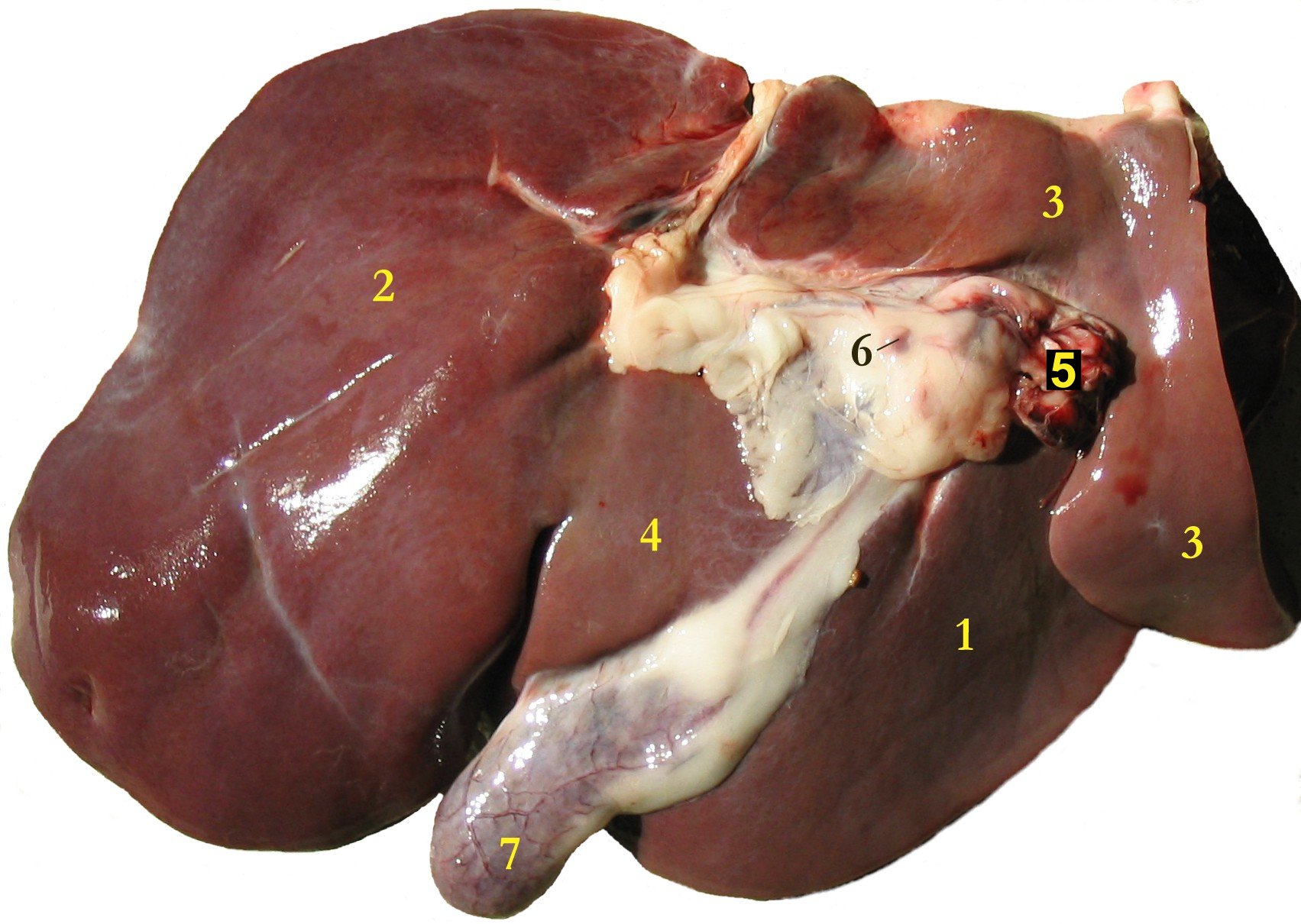
File:Leber Schaf.jpgI start at a section entitled "GMOs and liver problems". There are 3 statements and 4 references tied to the section and one can be discounted right off the bat. Before I continue, I feel the need to explain when/why articles or references can be discarded (this  explanation is brought to you by Biochica's spouse, who runs a constant commentary in my mind). The section ended up being pretty long so it is now a permanent section in this blog.

I hope you went and read the page, so let us proceed with the analysis of the 3 statements associated with liver problems:
  • Rats fed GM potatoes had smaller, partially atrophied livers.
    • Based on the abstract, this paper seems to be a review of existing literature on the subject of the impact of GM foodcrop on human health. The paper's conclusion is that funding is needed to develop tools for the identification and elimination of GM crops in our food system. What does that have to do with livers?? I did a search in pubmed using search terms "rat GM potato liver". I found two papers on the topic and did a quick read of the abstracts: both had done feeding studies on rats using GM potatoes (one had done the study for 5 generations) and both found that there was no difference between rats fed GM potatoes and those who had been fed non-GM potatoes.
  • The livers of rats fed GM canola were 12-16% heavier.
    • This was comments to Food Standards Australia/New Zealand, written by the Public Health Association of Australia (see the References tab for an explanation on "comments"). The link provided by IRT was dead and a search in google only brought up this same statistic in other anti-GMO pages. I searched pubmed looking for a paper using search terms "rat canola GM liver" and different variations of this, and didn't find anything. It seems that this statistic has been recirculated many times, but I have no idea where it came from. 
  • GM soy altered mouse liver cells in ways that suggest a toxic insult. The changes reversed after they switched to non-GM soy.
    • There were two references for this citation (one for each sentence). For the first, I read the entire paper and although it may sound harsh, I have no idea how it ever got published. My biggest beef with the paper is sample size: they took 24 mice; half ate food with 14% GM soybean and half didn't. Then, they sacrificed the mice at 1, 2, 5, or 8 months of birth. If you do the math, that represents only 2 mice per group. The authors state that there were differences in the shape and components within the nucleus of liver cells. But due to the low number of mice they used, you can't really determine if the difference in these was due to the age of the mouse or due to the type of food. Every time there was statistical significance for food type, it was also paired with statistical significance for the age of the mouse. Since changes in the shape of liver nuclei are known to happen with age, I don't really think it's possible to parse apart cause/effect. This study should have been done with all the mice being sacrificed at the same time point, so that there would only be one variable. Even if the study had been done correctly, the authors state that they don't have a hypothesis on how this could be happening.
    • The second study is a follow-up on the first, and I found the paper online. They took 12 mice and split them into two groups: they fed half of them GM soybean and half were fed non-GM soybean. Then after 3 months, they swapped the diets between the two group and examined the livers (pretty sloppy to not include a group that was fed non-GM and a group that was fed GM throughout the duration of the experiment, as controls). The authors state that there were differences in components of the nucleus of liver cells. When they performed experiments to back-up the microscopy observations, they didn't find statistical significance.
    • So, in summary, two papers with inconclusive findings, even if you overlook the flaws in the controls and numbers.
Another section of IRT's "Health Risks" where no risks were identified. On the plus side, I relearned a lot about the nucleolus that I had forgotten. In the fifth installment, dissecting the IRT's webpage, I'll look at GMOs, reproductive problems, and infant mortality. Yikes! (although, given everything I've read so far from their webapge, it will probably be more like 'meh').

Wednesday, July 3, 2013

A look into The Institute for Responsible Technology

I know I promised to review the European Commission's response to Seralini's article. However, I feel that I've made up my mind about Seralini's 2012 article and think I should move on to something new. Don't you?

One of the anti-GMO sites that I frequently see links to in Facebook is The Institute for Responsible Technology. They specifically have a page dedicated to health risks of GMOs, so I thought I'd go through their information to find a new article to read.

Regarding the website itself, I found that the first half of the Health Risks page didn't have any health information at all. It was critical of the FDA, the lab techniques used to generate GMOs, and the potential risks. A lot of "can"s, "may"s and "might"s. Quite a few statements have no references at all. As I read this, all I could think about was why it should matter if scientists use "gene guns" or another method? Frankly, I think it's because "gene guns" sound scary. Otherwise, why aren't they telling you about pipettes or centrifuges? It's because the latter are boring. Anyway, I digress.

It isn't until citation #8 that I got to the first health impact: "Soy allergies skyrocketed by 50% in the UK, soon after GM soy was introduced". The citation is from an article written by Mark Townsend in the Daily Express from March 12, 1999. The paper's archive is locked, but I did a websearch and found the statistic on many, many sites despite the fact that the reference is to an opinion piece. I finally found the article and apparently, the number of allergies "skyrocketed" from 10 in 100 to 15 in 100 individuals. For the life of me, I can't seem to find the original paper by York Nutritional Laboratory and am not sure if it was even published (additionally, page 58 of this book creates doubt around the whole thing). Without information on statistics and significance, one cannot really determine the validity of the statement.

Citation #9 was linked to "A skin prick allergy test shows that some people react to GM soy, but not to wild natural soy". The citation was to an article in Allergy and Asthma Proceedings which I had no access to. However, a lot of interesting info was in the abstract: they performed skin tests on 49 patients with 13 showing positive results to wild soybeans and 8 positive to GMO soybeans. One patient had a positive skin test result to GMO soybeans only. One. One patient. The conclusion of the paper is that more research is needed. But, the Institute for Responsible Technology fails to mention this conclusion. At the same time, without appropriate stats and full study, you could reach the conclusion that more individuals were allergic to wild soybeans vs GMO soy beans based on the numbers above.

So, I decided to take a look at the whole allergen issue with soya. With a quick look in NCBI, I found a paper where they looked at 1716 individuals and found no difference in allergic reactions between GM and non-GM soya. In an additional paper, they looked at 106 allergy-sensitive individuals and didn't find any difference in reaction between GM and non-GM crops, including soya. Those were the first two I found. Neither study was funded by an agribusiness, although the second paper acknowledged a scientist from Monsanto for sending them a protein sample and seeds for the study, which is pretty harmless.

Moving on to citation #10: "Cooked GM soy contains as much as 7-times the amount of a known soy allergen". This citation is linked to a chapter in a text book, which again, I do not have access to. It's bad form to list a text book as a citation, because text books are reviews and very seldom have novel findings. Again, I digress. I can't verify this citation, but the abstract for the chapter seems pretty neutral about GMOs and indicates that recommended testing protocols have already been built in to world food safety standards.

So the last citation is linked to "GM soy also contains a new unexpected allergen, not found in wild natural soy". This finding was from the same paper as citation #9. I don't think this really matters, because they did the allergy tests (as I pointed out earlier) and there was no significant difference in allergic reactions between GM soy and wild type soy. Oh yeah... except that one patient. One patient. Let me point out again that this one paper which is cited 2x by the Institute for Responsible Technology clearly states that more studies need to be done in order to reach a conclusion. And there have been several studies published since then. The paper with the single reactive patient was written in May 2005. The two papers that I cite above were written in August 2005 and June 2006.

This is getting long. I'll pick up next time with the section on "Bt corn and cotton linked to allergies" on the Institute's webpage. I hope it's better than what I've read so far...

I want to finish off by saying that I may sound critical of the Institute for Responsible Technology, but in all honesty, I can only form a semi-informed opinion about them because I can't access half the material they cite. But if I can't access the material with the resources I have at hand, then the vast majority of people on this planet can't either. Yet that hasn't stopped literally hundreds of webpages from reusing the same statistics over and over. From the second half of material that I CAN access, the health impact of GMOs seem to be vastly overexagerated, which is why I've been growing increasingly skeptical of the webpage as my analysis progresses.

BioChica out.